Whether you’re planning a development, applying for tree removal, purchasing a property or concerned about the condition of a tree, you may be asked to provide an arborist report. These reports provide an independent professional assessment of a tree’s condition, value and potential risks, helping property owners, councils and project teams make informed decisions.
Understanding the purpose of an arborist report, when one is required and what information it contains can help you avoid project delays, meet council requirements and ensure trees are managed appropriately.
An arborist report is a professional document prepared by a qualified arborist that assesses the condition, health, structure and significance of one or more trees. It provides an independent assessment and practical recommendations based on recognised arboricultural standards, helping property owners, councils and project teams make informed decisions about tree management.
Arborist reports are commonly required to support planning applications, development approvals, construction projects, insurance claims and tree removal applications. As councils and regulatory authorities rely on these reports when making decisions, they should always be prepared by a suitably qualified and experienced arborist.
While every report is tailored to its intended purpose, it will typically include:
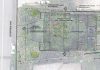
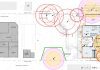
Development-related reports may also include an Arboricultural Impact Assessment (AIA) and a Tree Protection Plan (TPP) to demonstrate how trees will be managed and protected throughout construction.
Depending on the findings, an arborist report may recommend:
Many people only discover they need an arborist report after being asked for one by their local council or project consultant. However, there are several situations where obtaining a report early can save significant time and expense.
Councils commonly require an arborist report when proposed building works have the potential to impact existing trees both on the subject site and neighbouring properties. This may include projects such as:
The report identifies trees that may be affected by proposed development, assesses the likely impacts of the works and provides recommendations for tree retention, removal and protection throughout construction.
If you wish to remove a protected tree, your local council may require evidence demonstrating why removal is justified. Where Council approval is required, an arborist report assesses whether the tree satisfies one or more recognised removal tests, including whether:
A professional arborist report also provides independent evidence of the tree’s overall health, structural stability, the presence of pests or disease, and potential risks to people or property. It considers whether the tree can be retained through appropriate management or other practical alternatives to removal. This information helps Council objectively assess whether removal is justified.
Even where Council has not requested an arborist report, obtaining professional advice early should be considered when building near existing trees. Construction activities can affect tree roots, canopies and long-term health if appropriate protection measures are not incorporated into the design.
An arborist report can identify Tree Protection Zones (TPZs), assess tree-related constraints and recommend suitable setbacks, construction methods and protection measures. Early assessment can help minimise tree damage, avoid costly redesigns and support compliance with AS 4970:2025 Protection of Trees on Development Sites.
An arborist report may be appropriate where a tree shows signs of decline and the cause is not immediately apparent. Symptoms can include thinning foliage, canopy dieback, discoloured leaves, reduced growth, fungal activity, pest damage or deterioration of the trunk or roots.
The report documents the tree’s condition, investigates possible causes and recommends appropriate remedial action. This may include pruning, soil improvement, pest or disease management, specialist testing or ongoing monitoring. These measures aim to improve tree health and retain the tree where practicable.
Where a tree presents potential hazards to people or property, an arborist report can help assess the risk of tree or branch failure. Warning signs may include large dead branches, cavities, cracks, recent branch failures, storm damage, root-plate movement or a noticeable change in lean.
The report evaluates the likelihood and potential consequences of failure and recommends proportionate risk-management measures. Depending on the findings, this may include pruning, further investigation, monitoring, restricting access or, where necessary, tree removal.
Some property owners choose to obtain an arborist report before purchasing land or managing larger properties. Identifying existing tree issues early can provide valuable insight into potential maintenance requirements, development limitations or safety concerns, helping owners make informed decisions.
Not every tree contractor is qualified to prepare reports accepted by councils.
A professional arborist report should be completed by a qualified arborist with a minimum AQF level 5 in arboriculture (Diploma of Arboriculture), who has experience preparing reports for planning and development purposes.
Choosing an experienced consultant helps ensure the report meets council requirements and reduces the likelihood of requests for additional information.
The overall cost of an arborist report can vary depending on the complexity of the assessment and the specific requirements of each project.
Factors that may influence the cost include:
A report assessing a single residential tree will generally require less time and documentation than a detailed assessment prepared for a large-scale development involving multiple trees and planning requirements.
The best way to determine the likely cost is to request a tailored quote based on your property’s specific requirements and the scope of the assessment needed.
Whether you’re planning a development, applying for tree removal, investigating tree health concerns or meeting council requirements, obtaining the right advice early can help you avoid delays and make informed decisions. A professionally prepared arborist report provides the independent assessment needed to support your project while helping protect valuable trees where possible.
At ArbCert, our experienced team prepares comprehensive arborist reports for residential, commercial and development projects across a wide range of applications. Every report is prepared by a qualified AQF Level 5 arborist, ensuring you receive professional advice and documentation that meets industry standards and council requirements. If you need an arborist report, we can assess your requirements and provide clear, practical recommendations tailored to your project.
Contact ArbCert today to discuss your project or request a quote for our arborist report services.