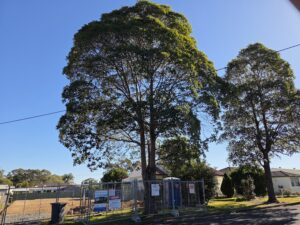
Can You Build Near a Tree? What an Arborist Looks At Before Development
Can you build near a tree? In many cases, yes.
Having an existing tree close to a proposed house, extension, driveway or other development does not automatically prevent construction. However, the distance between the tree and the proposed works is only one part of the assessment.
A consulting arborist considers the tree itself, its root system, the type of construction and the extent of disturbance proposed around it.
» Read more about: Building Near Trees: What You Need to Know »
Read Article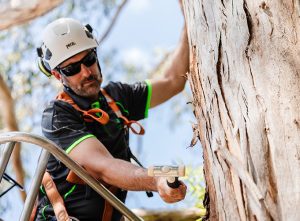
Whether you’re planning a Development Application (DA), seeking approval for tree removal permits or undertaking construction near existing trees, you may be required to obtain an arborist report before your project can proceed.
The cost of an arborist report can vary significantly depending on the scope of the assessment, the number of trees involved, site complexity and the level of expertise required. While price is an important consideration, it’s equally important to ensure your report is prepared by a qualified arborist with the appropriate experience and credentials.
» Read more about: How Much Does an Arborist Report Cost in Australia? »
Read Article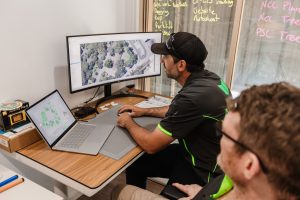
Whether you’re planning a development, applying for tree removal, purchasing a property or concerned about the condition of a tree, you may be asked to provide an arborist report. These reports provide an independent professional assessment of a tree’s condition, value and potential risks, helping property owners, councils and project teams make informed decisions.
Understanding the purpose of an arborist report, when one is required and what information it contains can help you avoid project delays,
» Read more about: What Is an Arborist Report and When Do You Need One? »
Read Article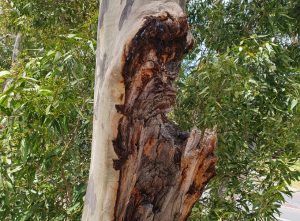
Common Tree Defects: Signs to Look For and When to Call an Arborist
Common tree defects such as cracks, cavities, decay, dead branches and root damage can raise concerns about tree safety. However, a defect does not necessarily mean that a tree is dangerous or requires removal.
Trees are living structures that change throughout their lives. Mature trees commonly develop hollows, wounds, deadwood, multiple stems and other structural features. Many continue to remain healthy and structurally suitable.
» Read more about: Common Tree Defects: Signs to Look For »
Read ArticleWinter Tree Care: What to Check Before the Windy Season
Winter can be a useful time to inspect trees, review maintenance needs and identify issues that may become more important during periods of strong wind or wet weather.
For many properties, the priority should not be routine pruning simply because winter has arrived. Instead, tree work should respond to the condition, structure and management needs of each individual tree.
Here are some practical things to consider during the cooler months.
» Read more about: Winter Tree Care: What to Check »
Read ArticleOur aim was to provide clients a complete tree pruning, tree removal, wood chipping and stump grinding service without involving subcontractors or additional companies.
Read Article
Our aim was to provide clients a complete tree pruning, tree removal, wood chipping and stump grinding service without involving subcontractors or additional companies.
Read Article
Our aim was to provide clients a complete tree pruning, tree removal, wood chipping and stump grinding service without involving subcontractors or additional companies.
Read Article
Our aim was to provide clients a complete tree pruning, tree removal, wood chipping and stump grinding service without involving subcontractors or additional companies.
Read Article