Whether you’re planning a Development Application (DA), seeking approval for tree removal permits or undertaking construction near existing trees, you may be required to obtain an arborist report before your project can proceed.
The cost of an arborist report can vary significantly depending on the scope of the assessment, the number of trees involved, site complexity and the level of expertise required. While price is an important consideration, it’s equally important to ensure your report is prepared by a qualified arborist with the appropriate experience and credentials. A professionally prepared report can help streamline council approvals, support informed decision-making and reduce the risk of unnecessary delays or additional costs.
This guide outlines the typical arborist report cost in Australia, the factors that influence Level 5 arborist report cost, what is included in professional arborist reports and why engaging an experienced consulting arborist is a worthwhile investment.
An arborist report is a detailed professional assessment of one or more trees prepared by a qualified consulting arborist. The report helps identify trees, documents the condition of each tree and provides recommendations based on recognised arboricultural principles, Australian Standards and local council regulations. Arborist reports are commonly required for DAs, construction projects, subdivision proposals, insurance claims, neighbour disputes and council applications involving protected trees.
Depending on the purpose of the assessment, an arborist report may evaluate:
A Level 5 arborist report involves considerably more than inspecting a tree and preparing a written summary. The complexity of the project determines the amount of investigation, documentation and professional analysis required.
The more trees that require assessment, the more time is needed for inspection, documentation and reporting. A report covering a single tree will generally cost less than one involving multiple trees across a larger site.
Reports prepared for straightforward tree removal applications are typically less detailed than those supporting DAs, Arboricultural Impact Assessments, Tree Protection Plans, construction within Tree Protection Zones (TPZs), planning appeals or expert witness matters. These types of projects require a more comprehensive assessment, detailed analysis and extensive documentation, which increases the time involved in preparing the report and, consequently, the overall cost.
Site conditions can significantly influence the level of work involved. More complex sites, particularly development sites, require additional assessment and reporting to accurately evaluate potential impacts on existing trees.
Factors that may increase the scope include:
The level of assessment required directly influences the cost of an arborist report. A straightforward report may involve a ground-level visual assessment of tree health and structural condition, while more complex matters may require detailed tree risk assessment, development-impact analysis, root-zone investigation or assessment of tree-retention value. The number of trees being assessed and the complexity of the assessment will also influence the overall cost.
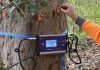
The report may also need to document and interpret findings from specialist assessments, such as aerial inspections, sonic tomography, resistance drilling, air-spade root investigations, soil analysis or plant-health testing. The greater the level of investigation, analysis and supporting evidence required, the more time is needed to prepare a comprehensive report, which is reflected in the overall cost.
Local councils and other approving authorities commonly require arborist reports to be prepared by a consulting arborist with an AQF Level 5 qualification in arboriculture or higher. This ensures the arborist has the technical knowledge required to assess tree health and structure, evaluate development impacts and provide appropriate tree management recommendations.
A formal arborist report involves more than simply inspecting a tree. Depending on its purpose, it may include a site inspection, detailed tree inspection, review of development plans, consideration of relevant Australian Standards and planning controls, assessment of tree risk or construction impacts, and the preparation of clear, evidence-based findings.
These reports may be relied upon by councils, planners, architects, engineers, certifiers and property owners when making decisions about tree retention, removal and development. The cost therefore reflects the time, expertise, professional judgement and documentation required to prepare a comprehensive report, rather than simply the arborist’s qualification.
Not all arborists prepare consulting reports, and not every arborist holds the relevant qualifications required to prepare professional arborist reports. Choosing the right professional is just as important as understanding the arborist report cost.
When engaging an arborist, look for someone who has experience preparing reports for councils, developers and homeowners, along with AQF Level 5 qualifications and a strong understanding of Australian Standards and local planning requirements. An experienced consulting arborist will provide independent, evidence-based recommendations and ensure the report is tailored to your project’s specific requirements.
Selecting a qualified professional from the outset can help reduce the risk of delays, requests for additional information or the need for a second assessment, ultimately saving both time and money.
Although an arborist report involves an upfront cost, it can help property owners make informed decisions and avoid unnecessary expenses. Early identification of tree health problems may allow remedial treatment before a condition worsens, while a tree risk assessment can help focus management on identified risks rather than unnecessary pruning or removal.
A report can also help determine whether a tree is contributing to property damage, identify potential maintenance liabilities before purchasing a property and help asset owners prioritise work across larger tree populations.
For development projects, obtaining arboricultural advice early can identify tree-related constraints before plans are finalised, reducing the likelihood of redesigns, approval delays, resubmissions or avoidable tree damage during construction. The value of an arborist report lies in providing clear evidence and appropriate recommendations before more costly decisions are made.
Whether you’re planning a DA considering tree removal, managing construction near existing trees or seeking expert advice on tree management, ArbCert provides independent professional arborist reports prepared by experienced AQF Level 5 consulting arborists.
Our reports are tailored to your project, prepared in accordance with industry standards and designed to help you navigate council requirements with confidence.
Contact ArbCert today to discuss your project and request a personalised quote for your arborist report.